
Networking is at the core of events. In practice, networking means meeting new people, exchanging ideas, and building professional relationships in situations where people gather around a shared interest. Whether it’s a corporate event, a training session, or an afterparty following a sports event, human interaction is what makes an event meaningful. Networking sparks new ideas, strengthens professional relationships, and at its best, creates long-term collaboration opportunities.
From an event organizer’s perspective, networking doesn’t happen by chance. Participants need time, space, guidance, and the right atmosphere for conversations to start naturally. That’s why networking should be built into the event structure from an early stage.
How can you promote networking at an event so that participants truly benefit from the interactions? While networking happens between attendees, the event organizer plays a key role in shaping the conditions for meaningful encounters. In this article, we present four practical tips to improve networking at events.
What does networking mean at events?
Networking at events means creating opportunities for participants to meet, share knowledge, and discover new connections around a shared interest. The role of the event organizer is not to force conversations, but to create an environment where networking feels easy and natural.
Four tips for enabling networking at events:
1. Make space for encounters
2. Gamify networking
3. Leverage technology
4. Create a safe and relaxed atmosphere
1. Make space for encounters
The first step to successful networking is ensuring there is enough time in the agenda and that the venue includes natural meeting points. Leave room in the schedule for spontaneous conversations and ensure participants have opportunities to connect without rushing. If the agenda is too packed, networking often takes a back seat—even if the content itself is high quality.
- Themed lounge areas: Create themed areas where participants can discuss and share ideas around common interests. This lowers the barrier to starting conversations.
- Flexible agenda: Avoid overloading the program. Leave enough time and space for informal interactions—often the best conversations happen outside the official program.
- Exclusive side events: Organize smaller, more intimate sessions where networking is easier in smaller groups. Workshops or breakfast sessions work particularly well.
Extra tip: Encourage event staff to lead by example in initiating conversations. Often, starting the first interaction is the hardest part, and approachable staff can help lower that barrier.
2. Gamify networking
Gamification is a fun way to encourage people to connect. Different games and activities can bring new energy to networking and motivate even those who might not otherwise engage. However, keep in mind that not everyone enjoys gamified networking, so it should be integrated naturally into the event without excluding anyone.
- Networking bingo: A bingo game where participants must find people who match certain criteria. This provides a natural and relaxed reason to approach new people.
- Treasure hunt: Organize a treasure hunt where participants search for clues and rewards that lead to new interactions.
- Speed networking: Use a speed dating-style format to facilitate quick introductions. Tie these interactions to topics that interest participants.
Extra tip: Arrange a short group activity, such as a stretch break or relaxation exercise. This helps participants step out of their comfort zone and lowers the barrier to interaction.
3. Leverage technology
Even if your event is not virtual, technology can significantly support networking. It can help participants connect before, during, and after the event, making it easier to start conversations and build relationships.
- Networking platforms: Provide a platform where participants can connect before, during, and after the event.
- Message wall: Use a digital message wall where participants can post comments or questions that others can engage with. This creates a natural way to start conversations and enhances interaction between speakers and attendees.
- Social media: Encourage participants to connect via social media or create networking challenges through your event channels.
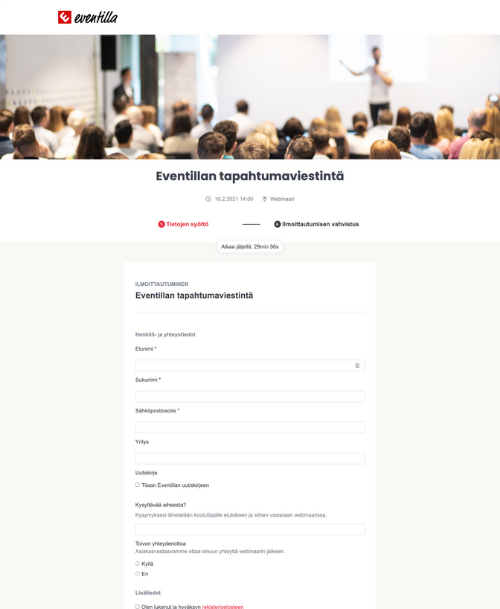
Extra tip: Ask participants during registration whether they are interested in networking and what topics they’d like to discuss. This allows you to design more relevant interactions.
4. Create a safe and relaxed atmosphere
Networking works best when the atmosphere is relaxed and safe. As an event organizer, you have a significant impact on the overall mood of the event. Focus on creating an environment that encourages participants to open up and connect. For many attendees, a sense of safety determines whether they feel comfortable engaging with others.
- Sense of safety: Clearly communicate guidelines for a safe and inclusive environment, ensuring all participants feel comfortable.
- Welcoming atmosphere: Create an environment where participants feel comfortable approaching others. Background music, light entertainment, or an engaging host can help break the ice.
- Unexpected elements: Features like a photo booth or interactive station can act as natural meeting points and spark conversations.
While careful planning is important, successful networking also requires a touch of spontaneity. Every event is unique, and the most important thing is that participants have the opportunity to connect naturally. Don’t get too caught up in rigid plans—be ready to adapt, respond to the atmosphere, and give participants space to engage in their own way.
Summary: best networking tips for event organizers
If your goal is to create an event where meaningful connections happen, networking should be considered already in the planning phase. The best networking strategies are often simple: create space for interactions, give participants reasons to start conversations, use technology wisely, and build an atmosphere where people feel comfortable connecting.
When networking is thoughtfully designed, it becomes more than just a hope—it becomes a visible and valuable part of the event experience. These are the moments that participants remember long after the event ends.
Shall we make event organizing easier?
Frequently Asked Questions (FAQ)
- What does networking mean at events? Networking means building new connections, exchanging ideas, and strengthening professional relationships. For organizers, it also means creating an environment where participants can genuinely meet and interact.
- What are the best networking tips for event organizers? The most effective strategies include creating space for interactions, using gamification, leveraging technology, and building a safe and relaxed atmosphere.
- Why is networking important at events? Networking increases the value of an event by creating opportunities for new connections, collaboration, and learning. Often, these interactions are what participants remember most.
- How can technology support networking? Technology can support networking before, during, and after the event through tools like networking platforms, participant lists, message walls, and social media engagement.
About the author
Kirjoittajasta