
You’ve managed to get the right people to your ticket sales page—but how do you ensure they actually buy a ticket? The answer is a conversion-optimized ticket sales page. This page is a critical point in the buyer journey, where the final decision is made—driven by both logic and emotion. In this article, we share practical ways to improve your ticket sales page and increase event ticket sales.
What is conversion rate optimization (CRO)?
Conversion rate optimization (CRO) refers to the actions taken to ensure that as many visitors as possible complete the desired action—in this case, buying a ticket. Every small detail matters: button color, form length, wording, and trust-building elements. CRO is an ongoing process of understanding user behavior and removing friction from the buying journey. The goal is to maximize purchase intent and minimize barriers.
Key elements of ticket sales page conversion optimization:
1. Make buying easy – remove friction
2. Use psychological triggers to boost conversions
3. Build a seamless buyer journey
4. Measure and test – CRO is continuous learning
1. Make buying easy – remove friction
Ensure the purchase process is as straightforward as possible. The more clicks, confusion, or unexpected steps involved, the more likely users are to abandon the process. Psychological friction appears as hesitation and frustration. Make sure your page meets these essentials:
1.1. Clear and visible CTA:
- Use a contrasting color so the purchase button stands out immediately.
- Use a clear call-to-action such as “Buy ticket” or “Register now”. Avoid vague links like “Click here.”
- Place the button in multiple locations on the page so users don’t need to scroll to find it.
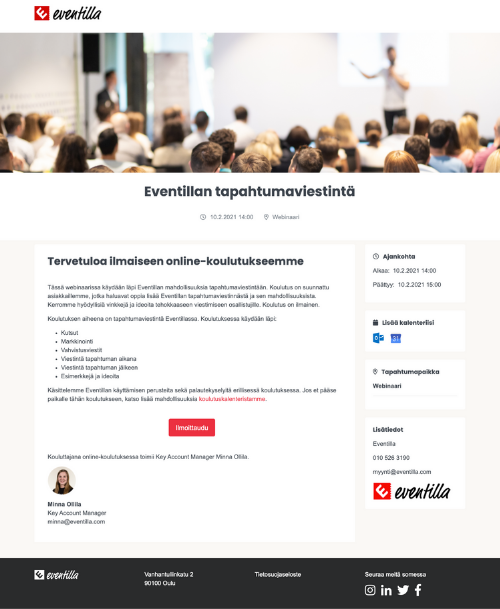
1.2. Concise, benefit-driven event description:
- Why should someone attend? Highlight key benefits and uniqueness. Focus on what the attendee gains (knowledge, connections, experiences).
- Use bullet points and short paragraphs for easy scanning—most users skim content rather than read word-for-word.
- Use tabs or sections if needed to keep the layout clean while providing enough information.
1.3. Mobile-friendly design:
- A large share of purchases happen on mobile—make sure forms are easy to complete and content is readable on all devices.
2. Use psychological triggers to boost conversions
CRO leverages human psychology, which influences decisions on a subconscious level. Even small elements can significantly improve conversions:
- Social proof: People follow others’ behavior. For example: “Over 350 attendees already registered” or “Last event sold out in 4 days.”
- Scarcity and urgency: “Only 20 tickets left” or “Early bird pricing ends today.” Ensure scarcity is genuine—fake urgency can damage trust.
- Trust signals: Clearly communicate payment security, data protection, and cancellation policies.
3. Build a seamless buyer journey
CRO doesn’t end when the user clicks “buy.” Ensure the entire funnel is smooth and consistent.
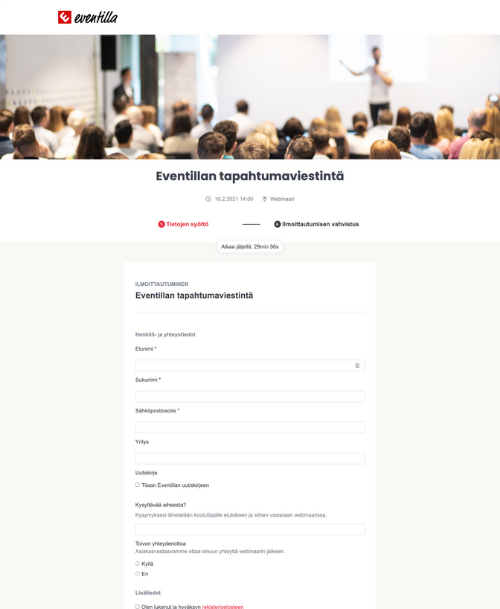
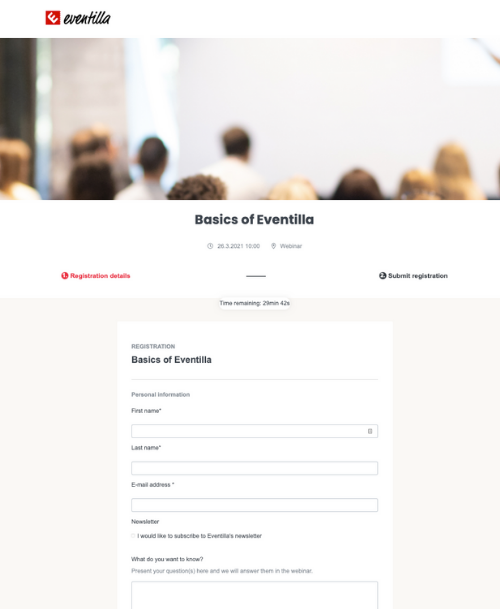
3.1. Simple and consistent registration form:
- Keep the form short. Only ask for essential information. Extra fields increase friction and reduce conversions.
- Ensure the form matches the visual style of the event page to maintain trust and continuity.
- Pre-filled forms: If possible, use pre-filled data to make the process faster and easier.
3.2. Clear confirmation and follow-up:
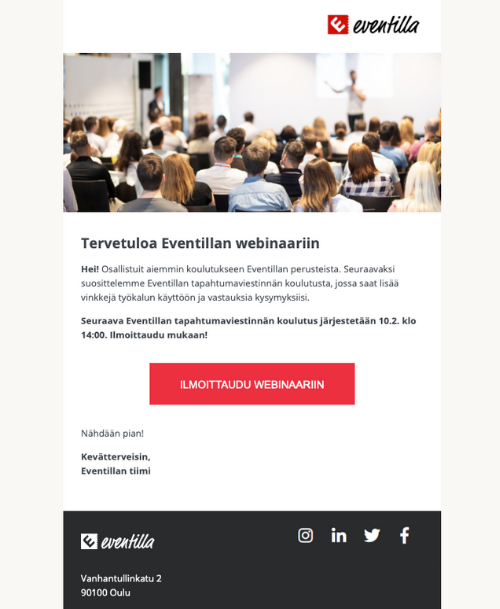
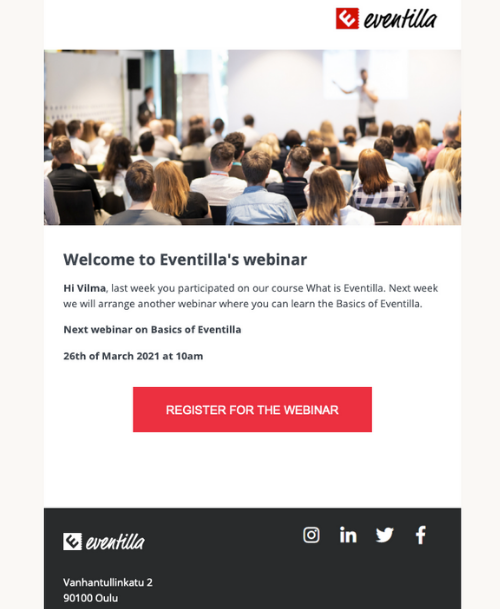
- Instant confirmation: Show a clear confirmation page immediately after purchase.
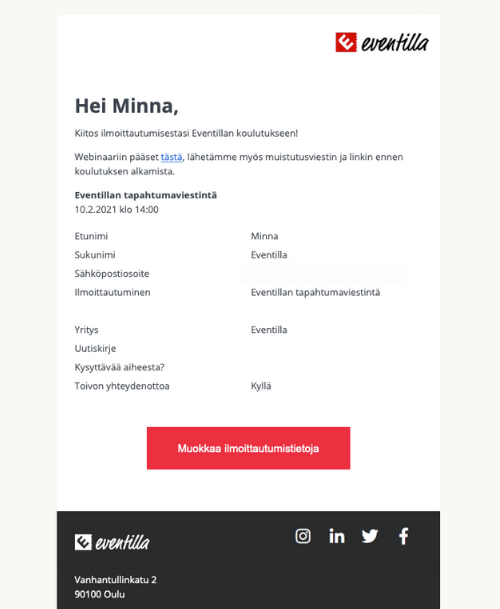
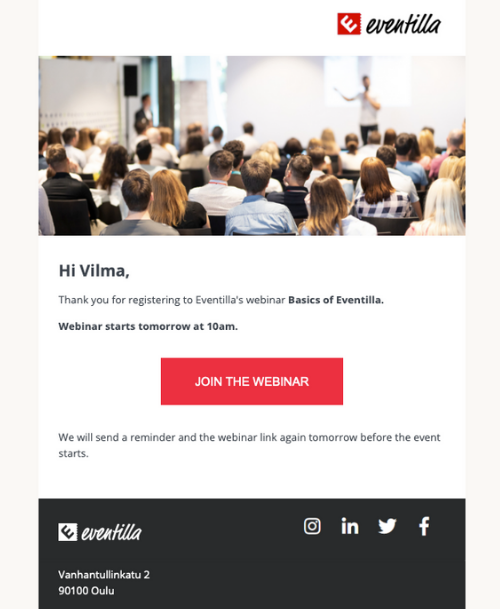
- Send an automatic confirmation email with ticket details, QR code, and essential information.
3.3 Familiar payment options:
- Offer common payment methods such as online banking, credit cards, and invoicing options for business customers.
4. Measure and test – CRO is continuous learning
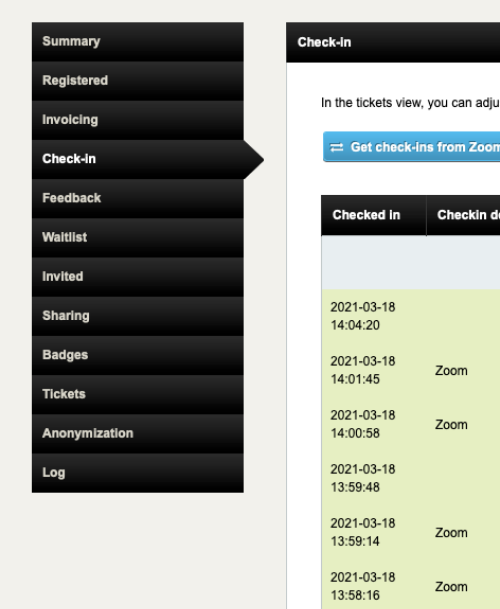
No ticket sales page is ever perfect—it evolves based on data. CRO is an ongoing process of testing and analysis. Use analytics tools to understand user behavior.
- Track conversion rates: How many visitors complete a purchase? Where do users drop off?
- A/B test elements: Experiment with different CTAs, button colors, headlines, images, and layouts.
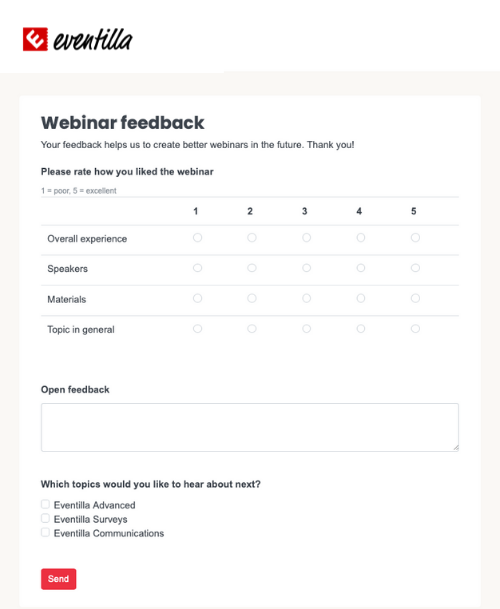
- Collect feedback: Ask users directly about their experience through surveys or forms.
Conversion optimization ensures that every potential attendee can easily find the right ticket and complete their purchase. Buying a ticket is not purely rational—it’s a psychological process influenced by pricing, messaging, usability, and trust signals. The final decision is rarely based on a single factor but on the combined effect of many small elements that build confidence and motivation.
Looking for a ticket sales page that is easy to optimize and works flawlessly on mobile? Get in touch with your event solution provider to ensure your ticket sales page performs at its best.
About the author
Kirjoittajasta