Marketing and event budgets are often tight, and organizing events on a small budget can feel challenging. However, a cost-effective event does not mean compromising on quality or impact. Instead, it requires a bit more planning, creativity, and the ability to prioritize.
How to organize an event on a small budget?
7 tips!
1. A repeatable event concept
The more efficiently you can organize, the cheaper it becomes. Time is money, and a repeatable concept helps you save both. When the basic structure—such as technical requirements, venue setup, and program—is refined in advance, the time spent on planning and handling surprises decreases significantly. This frees up resources for other important aspects, such as improving the attendee experience.
2. A clearly defined target audience
A well-defined target audience is the foundation of budgeting. Make sure you know exactly who the event is for. Instead of trying to reach as many people as possible, focus on inviting the right people. This helps you avoid wasting resources on the wrong attendees and ensures the event delivers real value and achieves its goals.
Need a system for inviting participants? Read more about Eventilla Event Management!
3. Event duration and timing
Carefully consider the duration and timing of your event. A light breakfast is significantly more affordable than a lunch buffet or dinner. Choose a time that naturally fits lighter catering, such as morning or an afternoon coffee session. Remember, an impactful event doesn’t need to be long. A well-planned two-hour session can be more effective than a full-day program.
4. Book your venue early
The venue plays a major role in the event atmosphere and is one of the biggest cost factors. Choose a space that matches your expected number of attendees, also taking into account the no-show rate. A space that is too large creates an empty, echoing atmosphere and is often more expensive. Booking early ensures the best options and prices, as last-minute reservations tend to be more costly.
5. Create a budget and track it
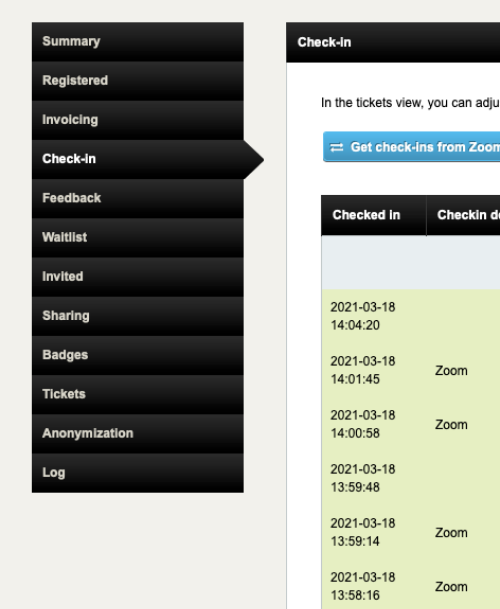
Accurate budgeting is essential. Create a comprehensive budget that itemizes all costs, such as venue rental, catering, and marketing. Most importantly, continuously monitor your budget. More advanced event management systems, such as Eventilla, allow real-time budget tracking. This enables you to react in time if costs start to exceed expectations.
Read more about Eventilla’s built-in budgeting tool here!
6. Utilize your own resources and sponsorships
Think about what resources you already have available. Do you have skilled speakers or performers within your organization? Or perhaps access to a venue that can save on rental costs? Sponsorships are also an excellent way to cover expenses. Look for partners who share your target audience and goals, and offer them visibility at the event in exchange for financial support or products and services.
7. Decide where to invest and where to cut costs
Even when working with a tight budget, cutting corners everywhere is rarely the smartest approach. Make deliberate choices: for example, invest in venue decoration but opt for music through speakers instead of a live performer. Also, stick to your decisions. Not every event needs to have everything, and leaving something out is often more stylish than delivering it below expectations.
Creating impactful events doesn’t always require a massive budget—but it does require smart decisions and planning. By focusing on careful budgeting, understanding your audience, and embracing creativity, you can create memorable experiences that strengthen your brand and deliver results. Even with a small budget, big things are possible.
About the author
Kirjoittajasta