
Organizing an event is a major investment for a company—it requires money, time, and other valuable resources. But when is investing in a live event truly worth it? When does a live experience deliver more value than, for example, a virtual event or a marketing campaign?
In this article, we explore the situations where organizing a live event makes sense—and how to measure its success and profitability.
Investing in a live event makes sense when:
- You need deeper engagement and interaction
- You want to increase brand awareness and shape brand perception
- Your sales need more relevant leads
1. You need deeper engagement and interaction
Live events offer a unique opportunity to build genuine, personal relationships—creating an atmosphere and level of interaction that digital channels rarely replicate. If your goal is to build trust, strengthen a community, or create new partnerships, an in-person event is often the superior choice.
Especially in B2B environments, live events can be a critical platform for building trust, generating leads, and closing deals.
2. You want to increase brand awareness and shape brand perception
A live event provides a unique opportunity to build and strengthen your brand. Particularly in saturated industries—where many companies offer similar products or services—your brand becomes a crucial differentiator. Events create a physical brand experience that stays in people’s minds in a completely different way than digital content in today’s information-saturated world.
A live event is a great choice when you want to:
- Stand out from competitors: A well-executed and memorable event can elevate your brand in competitive markets.
- Strengthen brand values and personality: The theme, activities, and environment of your event can reflect your core messages and values.
- Create “wow” experiences: Unique and positive experiences spread through social media and word of mouth, increasing brand visibility.
3. Your sales need more relevant leads
While live events are an investment, they can also be highly effective for driving sales and generating new leads. Events create a favorable environment for sales—provided that attendees are carefully selected. When your target audience is clearly defined and only relevant participants are invited, sales opportunities increase significantly.
However, it’s important to keep the sales approach subtle—no one wants to attend an event just to hear sales pitches. Instead, collect contact details and continue engaging with attendees after the event.
Measuring event success and ROI
To understand whether your live event was worth the investment, it’s essential to measure its success systematically. Keep in mind that the benefits of an event may only become visible over time. Especially in B2B contexts, events rarely generate immediate revenue, but they can open doors for future sales when the buying window emerges later.
Metrics will vary depending on your event goals:
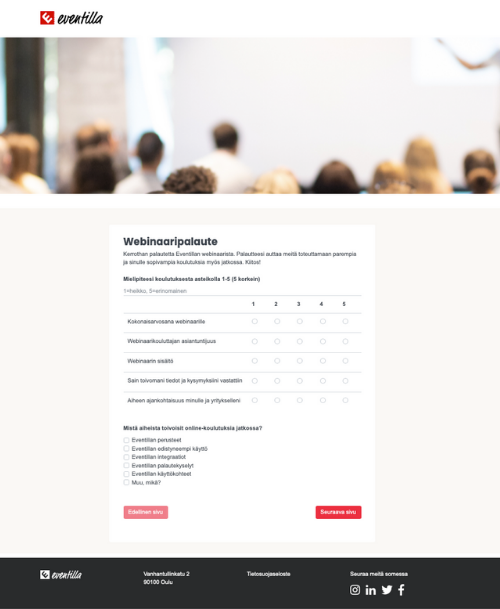
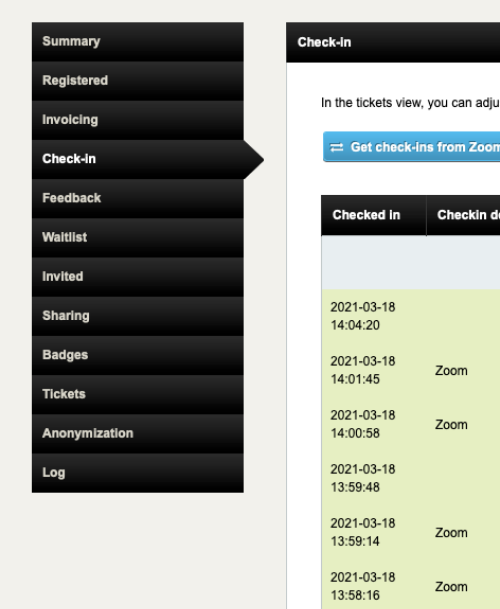
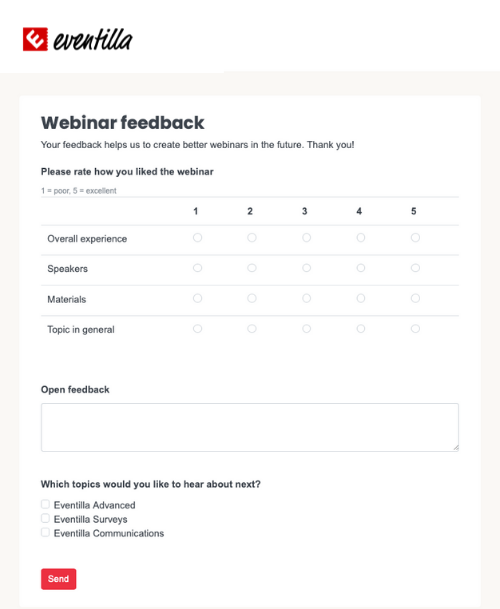
- Attendance and engagement: How many people attended, and how actively did they participate? Surveys and feedback provide valuable insights into attendee experience.
- Sales and leads: How much revenue did the event generate? How many new leads were captured? Remember to evaluate sales impact over a longer period when needed.
- Brand awareness and perception: Did the event increase visibility (e.g. social media mentions)? Has brand perception improved afterward?
- ROI (Return on Investment): Compare event costs to the benefits generated. This includes not only sales but also brand value growth and improved customer loyalty.
Summary
Investing in a live event makes sense when your business goals require deeper customer experiences, stronger brand building, or effective sales and lead generation through personal interaction. With careful planning and goal-oriented measurement, you can ensure that your event is not only a memorable experience but also a profitable investment for your business.
About the author
Kirjoittajasta